Blog

  • Stunning Places To See The Northern Lights Around The World

    Stunning Places To See The Northern Lights Around The World

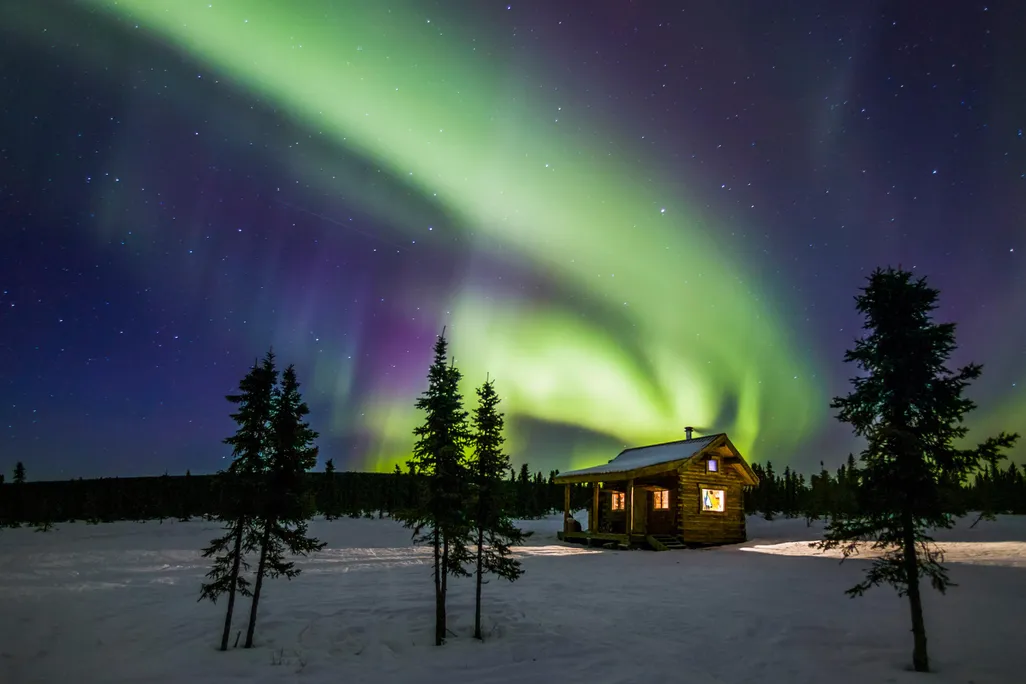
    The Northern Lights occur when charged solar particles collide with gases in Earth’s upper atmosphere, releasing energy as glowing arcs, ripples, or curtains of light. Unlike a static glow, auroras constantly shift in colour and movement, creating new patterns minute by minute. Their intensity follows the Sun’s 11-year cycle, making some years more spectacular than others.
    The major places to see the Northern Lights are close to the Earth’s magnetic poles, especially within the Arctic Circle. Clear skies, low light pollution, and high solar activity together produce the most vivid and awe-inspiring displays.

    The magic of the Northern Lights comes alive only in certain regions. Let’s discover the best places to see the Northern Lights around the world.

    1. Iceland

    Iceland is one of the best places to see the Northern Lights in the world​, offering a rare combination of dark skies and expansive landscapes. The aurora can occasionally be seen from Reykjavik, but the best displays often require travel to darker, less populated areas. Jökulsárlón Glacier Lagoon is one of the best places in Iceland for Northern Lights​ and requires longer drives from the city centre, so plan overnight stays nearby. The weather is quite unpredictable, as sudden snow, rain, or low clouds often block the view, so check the forecast.

    2. Finland

    Lapland in northern Finland offers some of Europe’s most reliable aurora sightings; however, keep a check on clear skies, as snow and clouds can quickly block the view. Rovaniemi is the best place to go to see the Northern Lights​ due to its access to dark-sky areas, while Saariselkä and Levi provide quieter areas for uninterrupted viewing. For the best experience, book a glass igloo or an aurora-ready cabin where you can enjoy the spectacle above snow-covered landscapes or frozen lakes comfortably.

    3. Norway

    Northern Norway is renowned for its dramatic Arctic landscapes and frequent Northern Lights. Tromsø, being a convenient base, is the best place for Northern Lights in Norway​, close to fjords and mountains where the aurora appears vividly. You can stay in hotels or lodges in Tromsø for comfort, or choose smaller cabins and guesthouses closer to remote vantage points for a more immersive experience. Svalbard and the Lofoten Islands offer quieter skies for those willing to travel further.

    4. Sweden

    Sweden’s Abisko National Park is one of the favourite places to see the Northern Lights among photographers, thanks to its proximity to the ‘Blue Hole’, a microclimate that often keeps skies clear. Kiruna, about an hour away, provides convenient access to the surrounding mountains and wilderness. You can stay in hotels or lodges in Kiruna, or choose remote cabins near Abisko to maximise your viewing opportunities. You’re more likely to see long-lasting, powerful displays in shades of green, purple, and red if you plan a long stay here.
  • Vautha Fair: Gujarat’s Colourful Donkey Fair At Saptasangam

    Vautha Fair: Gujarat’s Colourful Donkey Fair At Saptasangam

    Event: Vautha Mela
    Location: Vautha, near Ahmedabad, Gujarat
    Occasion: Celebrated on Kartik Purnima (full moon night of the Kartik month, usually in November)
    Duration: 3 – 5 days
    Religious Significance: Holy dips at Saptasangam and worship at Siddhanath Temple
    Cultural Highlights: Folk music, Garba and Dandiya performances, storytelling, craft stalls, and glowing river lamps at night
    Visitors: Attracts thousands of devotees, farmers, traders, and tourists from across Gujarat and neighbouring states

    About Vautha Mela

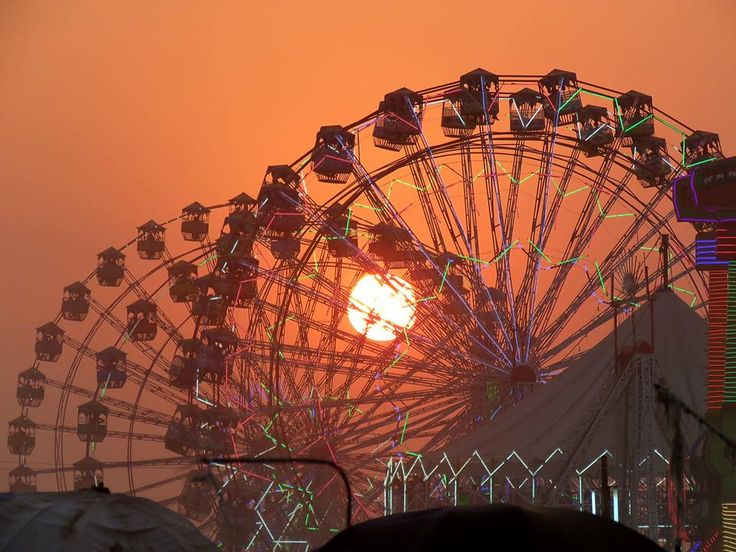
    The Vautha Mela is held annually in Vautha village, Gujarat, beginning a few days before Kartik Purnima and continuing until the full moon night. This mela is also popularly known as Gujarat’s largest donkey fair. Visitors not only take part in the fair but also follow rituals like taking holy dips at the Saptasangam, offering prayers at the Siddhanath temple dedicated to Lord Shiva, and floating lamps on the river in evening to honour the deities.

    The history of Vautha Fair Gujarat is deeply rooted in fascinating local legends. One tale links its origin to a yagna performed by Sage Vashishta at the sacred river confluence. However another folk tale associates it with Lord Kartikeya, who is believed to have visited the site on the full moon night of Kartik. The fair is held at the confluence of the Sabarmati and Vatrak rivers and has been in existence for nearly five centuries.

    Vautha Fair Location

    Vautha Mela is held in Vautha village, located in Dholka Taluka of Ahmedabad district, Gujarat. The village sits near the confluence of the Sabarmati and Vatrak rivers, an area known locally as Saptasangam.

    Surrounded by rural landscapes and accessible via road and rail from Ahmedabad, Vautha becomes a bustling hub during the mela.

    How To Reach Vautha

    By Air: The nearest airport to Vautha village is Sardar Vallabhbhai Patel International Airport (AMD) in Ahmedabad, which has regular flights connecting major Indian cities such as New Delhi, Mumbai, Kolkata, and Chennai. The approximate flight duration is around 2 hours 30 minutes. From the airport you can take a taxi or hire a car to drive to Vautha village.

    By Road: Vautha is a small village in the Dholka region, 65 kilometers away from Ahmedabad. You can reach there by taking a bus or driving from Ahmedabad to Vautha which takes around 2.5 hours from the city.

    By Train: The nearest railway station to Vautha is Ahmedabad Junction, located about 62 km away. From there visitors can reach the fair site conveniently by taking a State Transport bus or hiring a local taxi in about 1.30 hours to 2 hours.

  • Experience The Stunning Yi Peng Lantern Festival In Northern Thailand

    Experience The Stunning Yi Peng Lantern Festival In Northern Thailand

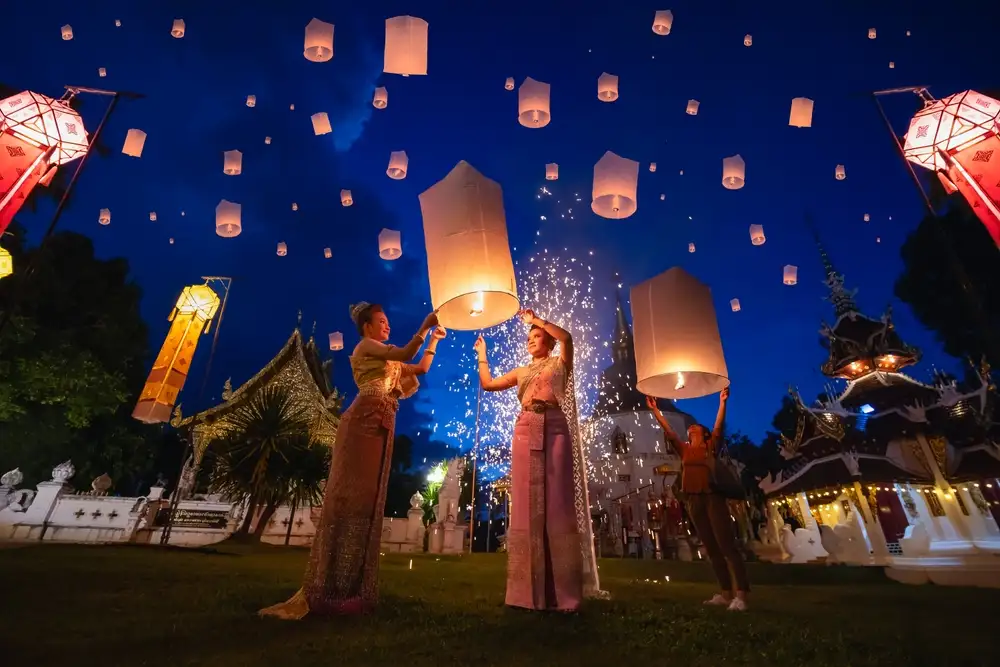
    The Yi Peng Lantern Festival in Thailand, is a deeply rooted cultural tradition of the Northern Thai Lanna culture. The festival mostly takes place in Chiang Mai, with the main highlight being the breathtaking view of the sky, where thousands of glowing lanterns are released to take away the misfortune and bring in the blessings.

    Chiang Mai Lantern Festival is celebrated only in the north, unlike Loy Krathong, which is celebrated in all parts of Thailand. Yi Peng often features traditional music and dance ceremonies at temples, making Yi Peng one of the most beautiful events across Thailand.

    Yi Peng Lantern Festival History

    The Yi Peng Lantern Festival’s history originates from the ancient Lanna Kingdom in Northern Thailand. The festival marks the end of the rainy season and the start of the harvest time. During the festival, people pay respect to Gautam Buddha, and pray to let go of misfortunes by releasing the lanterns in the sky.

    Over the years, the festival became aligned with a Thai festival called Loy Krathong, which honours the water goddess.

    Yi Peng Lantern Festival Dates

    These days coincidentally align with Loy Krathong, so there is a magical combination of floating lanterns and water offerings. Although the main lantern release will be traditionally held on the evening of November 5, festivities will take place on the 6th with ceremonies being held in the temples, along with parades, and cultural performances.

    Location

    The festival is best experienced in Chiang Mai, the cultural center of Northern Thailand. Chiang Mai is known for its old temples and authentic Lanna history, making it a beautiful place to see so many illuminated lanterns during the festival.

    Major places for Yi Peng festivities include Tha Phae Gate, the Ping River, and many temples like Wat Phan Tao and Wat Chedi Luang, in which traditional rituals and lantern lighting are performed.

    How To Reach

    Already planning your trip to Chiang Mai for the Yi Peng Lantern Festival? Here’s how you can get there easily by air, train, or road.

    By Air: The nearest airport to Chiang Mai city is Chiang Mai International Airport (CNX), located just 5 kilometers from the city. Travellers can take a connecting flight from Delhi or Mumbai to Chiang Mai via Bangkok, which takes approximately 3-5 hours to reach. Chiang Mai Airport offers numerous domestic flights to Bangkok, Phuket, and other cities. Upon arrival, travellers can take a taxi or the airport shuttle to their hotel. It takes approximately 15–20 minutes to drive by taxi.

    By Train: Chiang Mai Railway Station is the end of the northern rail line and is only 3 kilometers south of downtown. Taxis and tuk-tuks are easy to hire at the station directly to hotels or festival sites. Daily services are available through the station to Bangkok and other destinations in Thailand, including sleeper trains that take approximately 10-13 hours to reach.

    By Road: Chiang Mai can be reached from the north, east, south, or west Thailand via well-maintained Highways 11 or 118. Long-distance buses operate daily to and from Chiang Mai and major cities such as Bangkok with approximately 9-10 hours of travel time. You can also reach the city via private car or taxi.

  • Junkanoo: Your Ultimate Guide To The National Festival Of The Bahamas

    Junkanoo: Your Ultimate Guide To The National Festival Of The Bahamas

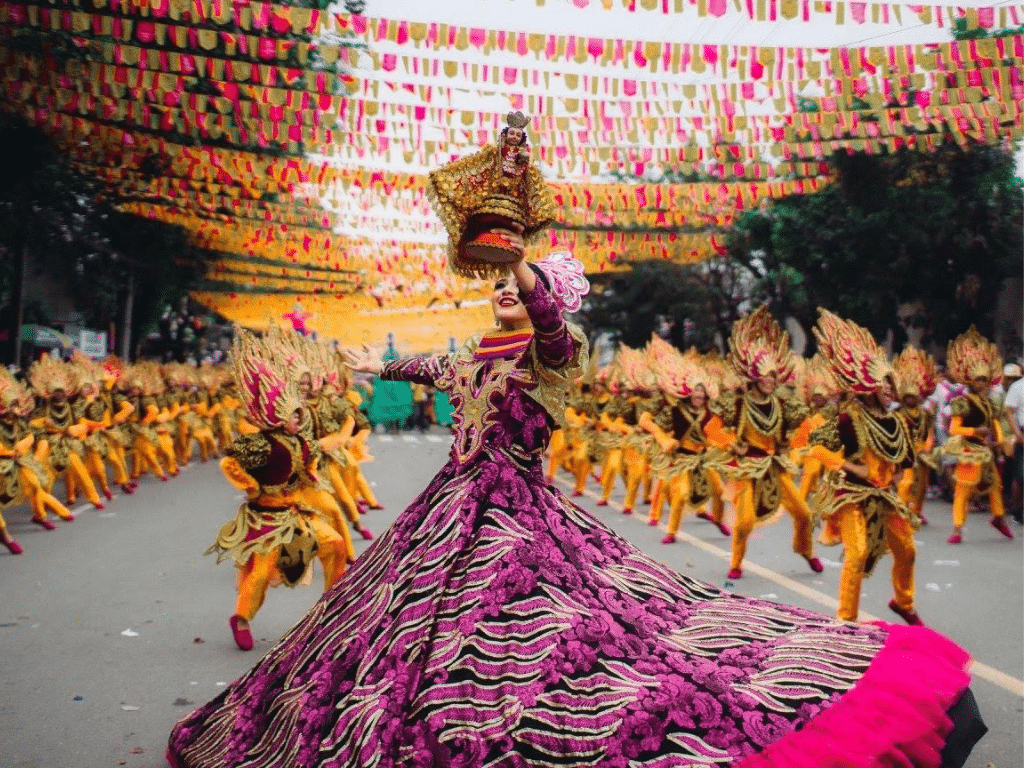
    At midnight on Boxing Day, Bahamian families gather along Bay Street to take part in the most-awaited Junkanoo festival. Celebrated on 26 December and 1st January every year, the Bay Street in Nassau becomes the main stage for the festivities, turning it into a vibrant showcase of tradition and culture.

    The celebrations of this festival are the highlight of the Bahamian holiday season. It includes energetic parades featuring dancers moving to the beats of drums, horns, and whistles. Thousands of spectators line the streets to witness the event, which serves as both a cultural competition and a public celebration. Groups known as “troops” compete in elaborate parades, wearing handcrafted costumes made of crepe paper, feathers, beads, and sequins.

    Historically, Junkanoo is believed to have started during the time of slavery. The festival’s origins date back to the 18th century, when enslaved Africans were given days off during the Christmas season. The slaves were given three days off, which they used to celebrate by singing and dancing in colourful masks, travelling from house to house, often on stilts. Over time, it evolved into a cultural expression of freedom, identity, and community spirit.

    Location

    The Junkanoo festival is mainly celebrated in the Bahamas. The celebrations are held all across the island, with the most famous parades taking place in Nassau on Bay Street.

    Nassau hosts spectacular performances, attracting thousands of spectators. Beyond Nassau, Junkanoo parades can also be experienced in Grand Bahama, Abaco, Eleuthera, and Exuma, each adding its own local touch to the festivities.

    How To Reach

    By Air: The easiest way to reach Junkanoo by air is through the Lynden Pindling International Airport (NAS) in Nassau, the main gateway to the Bahamas. From major Indian cities like Delhi and Mumbai, travellers can reach Nassau with one or more layovers, typically taking around 16 – 20 hours of total travel time. From the airport, which is about 16 km from downtown Nassau, you can hire cabs or taxis to reach Bay Street.

    By Rail: There is no rail network in the Bahamas. Tourists rely on road transport or short domestic flights between islands.

    By Road: In Nassau, the festival parades take place along Bay Street and Rawson Square, both of which are easily accessible by taxi, local jitney buses, or rental cars. From central Nassau, it takes just a few minutes on foot to reach the parade area.